Specialty Lenses
The lenses that we carry include
Single vision eyeglasses are designed for people who require a single visual correction, whether for farsightedness, nearsightedness, or an astigmatism correction. These eyeglasses have a single prescription that extends over the entire lens. They may be for just distance, such as driving, classroom, or TV usage, or they could be worn for specific activities, such as reading or computer work.
Lined bifocal lenses provide two separate prescriptions in a single lens. They provide a perfect balance between two visual needs. There are two specific areas for your vision correction; most typically, your distance prescription in the top and your reading prescription in the bottom. We determine the best balance of the two, depending on your specific needs, by evaluating your personal prescription and your daily tasks to find just the right lens for you. The bottom bifocal add is available in multiple widths to customize for your needs.
Trifocal lenses are very similar to bifocal lenses, but with an additional center area. The top area is most typically used for distance vision; the second area, or intermediate area, is designed to give you clarity at approximately an arms length distance, perfect for your computer screen and dashboard. The bottom area is for near vision or reading, the same as in a bifocal. Trifocals give you the flexibility to see at different focal lengths, without having to change back and forth between multiple pairs. As with bifocals, the addition area is available in multiple widths to customize your needs.
Progressive eyeglass lenses are known by many names: progressive, varifocal, multifocal, no line bifocals, no line trifocals. Whatever you like to call them, they all mean the same thing. A progressive lens gives you all of the fields that the trifocal lens gives you, without segmented lines that the trifocals have. These lenses provide a smooth transition from your distance correction, to your near correction, allowing clear vision at all distances in between. There is a gradual shift in the prescription from far to near, allowing the wearer to progress seamlessly from one task to another. Without the lines, these lenses eliminate the "image jump" that bifocal and trifocal lens wearers experience. From a cosmetic standpoint, the lines are "invisible" allowing a full visual field, as with single vision lenses. There are over 2,000 different types of progressives on the market, so be sure to consult with our Optician to know which one will work best for you.
Computer progressive lenses are the perfect answer if you are working on a computer or at a desk for long hours during the day. These lenses will give you a crystal clear view up close, such as looking at your phone, or a document, while also allowing you to clearly see your computer screen and whatever else you may need to see at your desk. These glasses are designed to the movements of your eyes while you are working, and are made with custom measurements to meet your own personal needs. The field of vision range for a computer progressive is from 2 to 12 feet, giving you the availability to look up and see what is around you without having to look over your eyeglasses. The best part of computer glasses is they allow your head and neck to remain in a natural fixed position through your daily tasks, while optimizing your vision throughout the workday.
Lens features and enhancements
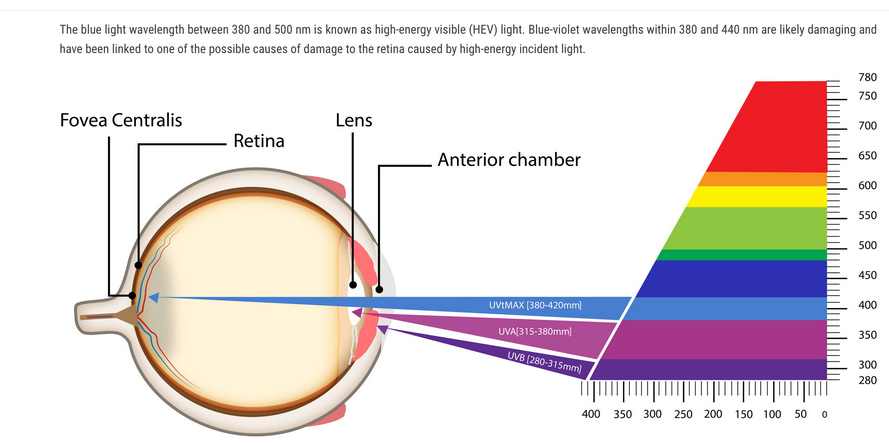
Blue light is all around us every day, coming from many sources, including florescent lighting and the sun, but as our world has become more reliant on digital technology, we are all exposed to ever-increasing amounts of blue light from our computer screens, smartphones, and tablets. Research is showing that the long-term effects of this increased exposure may be harmful. Blue light, especially the blue-violet wavelengths put out by digital devices, can be damaging to delicate retinal cells that lie deep in the eye. Additionally, studies have shown blue light is a risk factor for the onset of age-related macular degeneration, which is a progressive condition that can lead to vision loss over time. Studies also show that the blue light can affect our Circadian rhythm, which can negatively impact sleep patterns. Those at highest risk are working professionals, children, teens, and gamers.
Specialized lenses can help. Blue light filtering options can help reduce your exposure to harmful blue light, regardless of whether you need an all-day solution, or glasses to wear just while you are using digital devices. Ask us about how your lenses can be specifically designed to meet your needs.
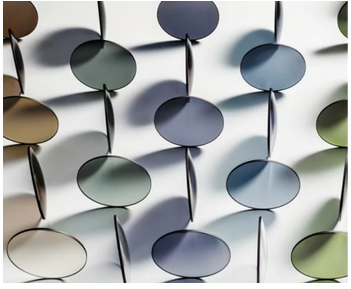
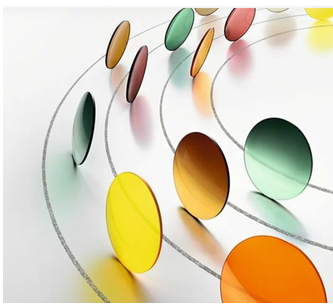
Tinted lenses can serve a variety of purposes to enhance your vision and eye health. The most common use is for sunglasses. In addition to the common brown, grey, or green tints, there is a wide variety of colors to suit your personality or match the frame you choose. Solid tints give overall coverage throughout the lens, completely shading the visual field. Gradient tints are dark at the top, fading to a clearer lens at the bottom. We can even give you a tint that has multiple colors.
Specialty tints are also available, and studies show that they can help with other vision health concerns. Light colored tints are often used for light sensitivity due to an eye condition called photophobia. Light sensitivity lenses help to block narrow wavelengths of light helping to keep the eyes more relaxed. Certain color tints have been shown to help patients who have migraines, color blindness, or dyslexia.
Selecting the right color for your tinted lens depends on your lifestyle and what your needs are. We offer a full array of colors, as well as the ability to make a custom color for your personal needs.
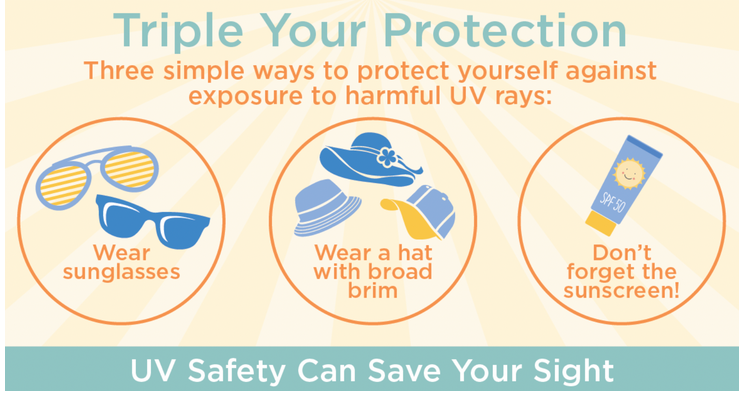
Ultraviolet rays are known for their damaging effects on the skin, but exposure to UV rays can also cause “sunburn” to your eyes, a painful condition known as photokeratitis. The damage from UV rays can take years to develop. UV damage is cumulative and has been attributed to cataracts and macular degeneration later in life. The delicate skin around the eye and the eyelids are also prone to UV damage.
Children have a higher risk for eye damage from the sun’s rays because they spend more time outside than adults. They are also more susceptible to eye damage because the lenses inside their eyes are more transparent than those of adults. As a result,UV rays can penetrate deeper into their eye. UV protection started at an early age is crucial for happy, healthy eyes through life.
UV protection in sunglasses and eyeglass lenses is strongly recommended. No matter what time of year it is or what the weather forecast is, lenses that block 100 percent of UV-A and UV-B rays will help protect your eyes. Sunglasses or eyeglasses that provide coverage to the delicate skin around the eyes are best.
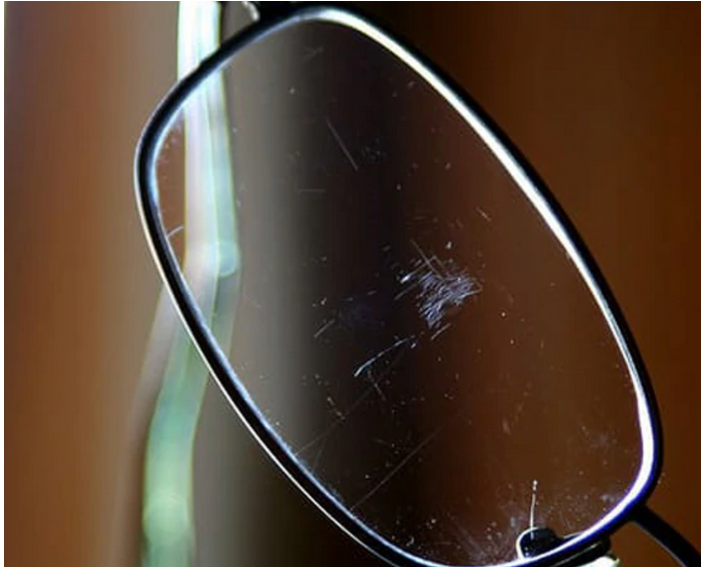
There is no such thing as a "scratchproof" lens. Not even the old glass lenses were 100% scratch-proof. Sometimes, the unavoidable “just happens.” A scratch on your lenses can impact your vision clarity or simply just be annoying. All lenses sold by VIP Eyes are treated a with scratch resistant coating at no extra cost to our patients.
Scratch resistant coating gives the lens a harder surface. All lenses benefit from this small addition, and it truly helps them to last longer. Unfortunately, scratch resistance treatments cannot completely protect your lenses from normal wear and tear. For those who need extra protection, we offer an array of lens replacement warranty options to keep you seeing your best for the lifetime of your glasses.
Please be wary of any products that state they will "repair" your scratched lenses. These products simply fill in the scratch, but will not make them disappear. Many of these products can make your lenses smudgy or foggy, leaving them worse off than before. Using them could also void any replacement warranties that you add at the time of purchase.
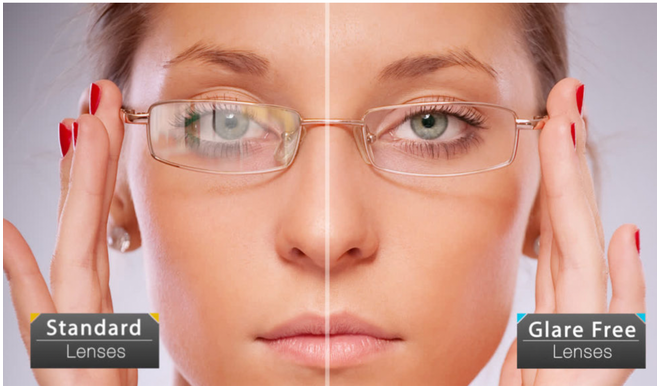
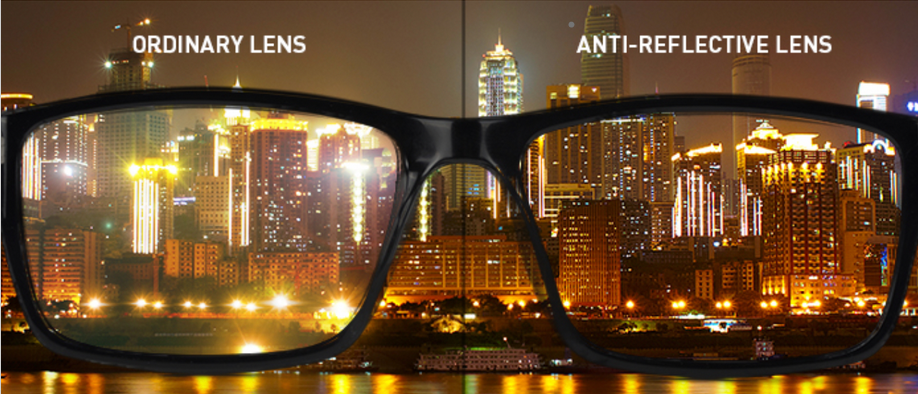
Anti-reflective or “no glare” treatments help you look better, see better, and feel better. These treatments allow more light to pass through your eyeglass lenses instead of being reflected off the surface, which creates glare. This offers you clearer vision on the job, in the classroom, at home, and behind the wheel. Removing harsh reflections from your lenses allows others to see you—not the troublesome glare. Whether you’re snapping a selfie or video chatting with a friend, you can feel confident that your eyes will not disappear behind a white reflection. These treatments provide protection against eye strain by reducing the glare from computer screens, phones, on coming headlights, and overhead office lighting. Some patients even report that it helps with headaches related to eye strain. There are several options for anti-reflective/no glare treatments—let us help you decide which is right for you.
Photochromic lenses made of glass are known as PhotoGray. Much the same as other photochromic options, such as Transitions, these lenses use UV rays from the sun to darken outside and turn clear inside. Glass lenses with PhotoGray darken significantly, and have always been well liked due to this. They tend to change back slower than newer options for photochromic lenses, and have a somewhat yellowed appearance even inside. Newer technology, materials, and the want for lighter eyewear have made glass lenses less desirable; however, we understand that some of our clients still want or need glass lenses, and we are happy to still offer them.
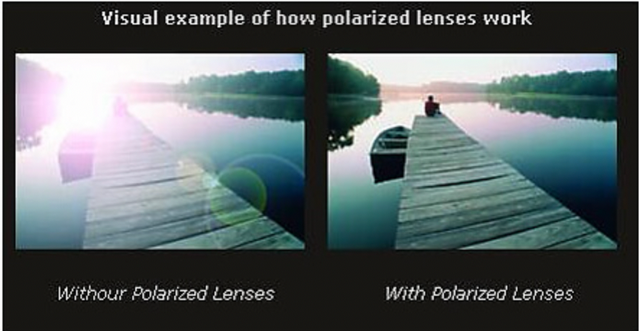
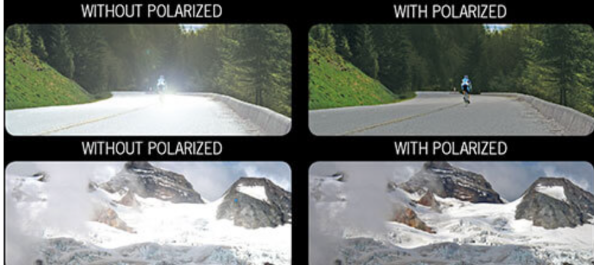
Polarized sunglasses are known for their ability to block the glare that reflects off certain surfaces. They also improve contrast and visual clarity, helping to reduce eye strain.
For many years, boaters and fishermen were the sole users of polarized sunglasses. More recently, though, the benefits of polarization have been enjoyed by many other outdoor enthusiasts. If you’re a water-sport athlete, golfer, cyclist, or runner, you too can benefit from sunglasses with polarized lenses.
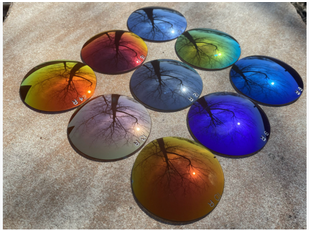
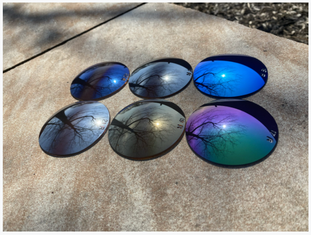
Mirrored sunglasses aren't just for good looks! They offer brighter vision to the wearer because they reflect excess light instead of absorbing it. This is especially helpful for people who spend long stretches of time outdoors. Long haul truck drivers and athletes find they experience less eye strain when wearing mirrored sunglasses. If you suffer from extreme light sensitivity, mirrored sunglasses may help you to feel more comfortable in bright sunshine. If you suffer from headaches from sun exposure, whether due to the strong rays of the summer sun or the bright glare of a snowy winter, mirrored sunglasses can protect your eyes and keep you more comfortable. Mirrored sunglasses also provide protection against the harmful UV rays that damage your vision. There are many options available, including single color and multicolor mirrors. Ask us which is right for you!
Transitions are light-reactive lenses that change to sunglasses when outdoors. The Transitions research team was tasked with the job of creating a lens that would become darker outdoors, that would be fully clear indoors, and with improved reaction times compared to older photochromic technologies.
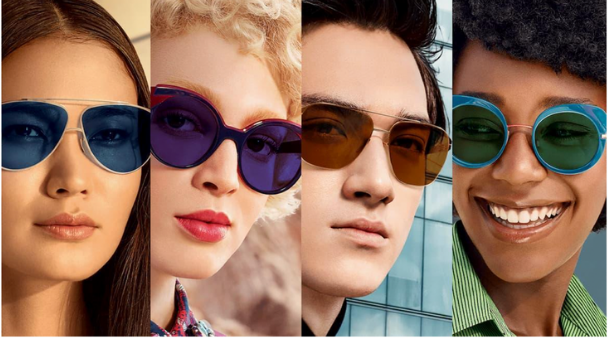
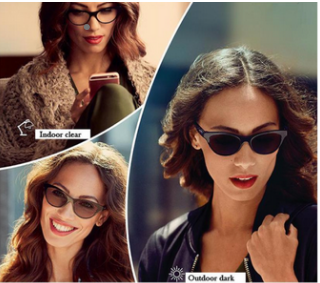 Transitions meets those needs, offering optimum vision, comfort, and protection all day long. With Transitions, there is no need for swapping glasses and sunglasses. Your glasses will change with the lighting of the day, giving you crystal clear vision and protection indoors and out. They adapt seamlessly to any lighting, darkening fully when the sun is at its brightest, and lightening as needed as the bright light fades. Transitions are available in three traditional colors: gray, brown, and graphite green. If a pop of color is more your style, the latest generation of Transitions lenses are also available in five vibrant style colors: emerald, sapphire, amethyst, ruby and amber. We would be happy to help you decide which option is best for you!
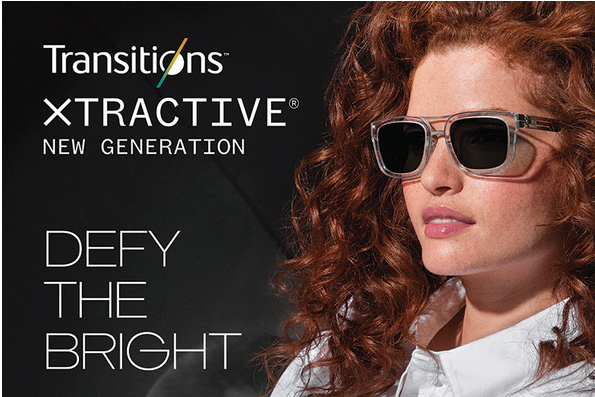
If you are sensitive to light, or are frequently in bright light, Transitions XTRActive lenses may be the best choice for you. XTRActive lenses are the darkest of the photochromic options. They also provide the best blue light protection while indoors and block up to 90% of harmful blue light while outdoors. They are extra-dark in sunlight, and are the only photochromic lens to achieve a category 3 level of darkness when it's hot; the same level of protection that sunglasses will give you. XTRActive lenses are the darkest photochromic lens in the car, helping to protect your eyes from bright sunlight while driving.
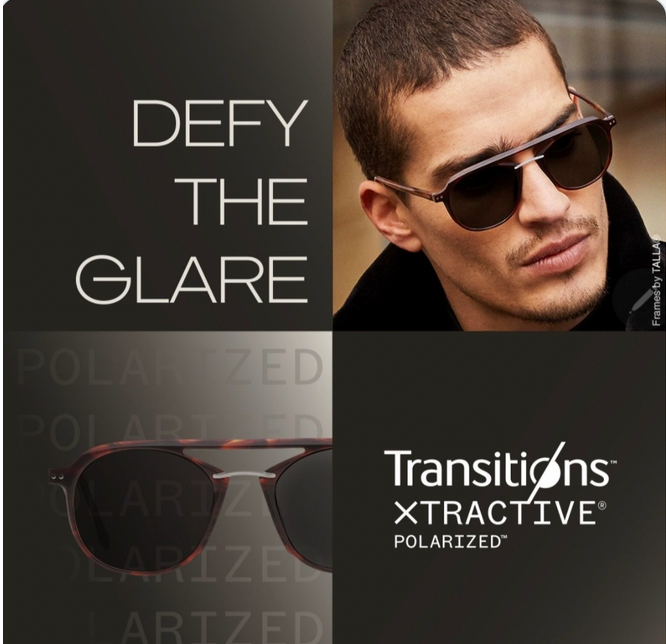
If you are sensitive to bright sunlight or glare reflected off surfaces like roads or water, Transitions XTRActive Polarized lenses may be a great choice for you. Combining the benefits of light-reactive lenses and polarization, XTRActive Polarized lenses give you sharper vision and brighter colors. Specifically designed to cut reflective glare, XTRActive Polarized lenses become polarized as they darken outdoors, achieving a polarization level of up to 90% even in hot temperatures, similar to what polarized sunglasses will give you. XTRActive Polarized lenses become extra dark and polarized at the same time when you are in an outdoor setting. They darken behind the windshield to help protect your eyes from bright light, but do not polarize in the car because the windshield blocks UV rays.
All Transitions lenses block 100% of UVA and UVB rays, which helps protect your eyes at all levels of light.
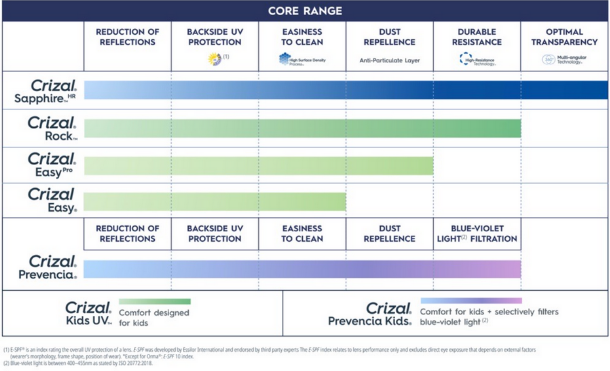
Crizal offers exceptional warranties on their lenses that we extend to our patients. Lenses with Crizal added are protected with a full 2 year warranty from the date of purchase. Crizal will replace your lenses for scratching once per year, for two years, due to normal wear and tear that occurs from daily wear. With the Good Housekeeping Seal of Approval, and recommended by the Skin Cancer Foundation, Crizal eyeglass lenses lead the way with their superior technology in clarity. Crizal brand lenses allow light to pass directly through the lenses instead of off the lens, giving our patients the clearest vision possible. With UV protection built into the lenses, Crizal products can help with a wide variety of complaints that eyeglass wearers experience, from cleanability, scratching, and blue light protection.
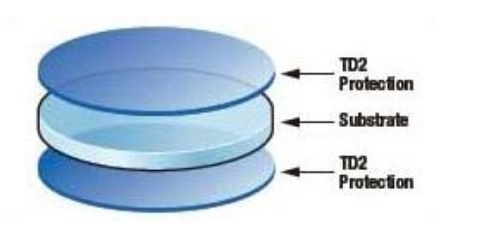
Even with scratch resistant coatings, plastic and polycarbonate lenses are not as scratch resistant as glass. While glass lenses don't scratch easily, they are much heavier and more fragile than modern lenses. This can often cause problems with glass lenses being uncomfortable or unsafe in certain situations.
TD2's anti-scratch lenses are scratch resistant, not scratch proof. No lens is scratch proof. TD2 stands for TOUGH, DURABLE AND 2-SIDED.
TD2 is a multilayer treatment that goes through a strict quality control process. Protective layers are applied under pressure in a vacuum, which makes plastic and polycarbonate lenses far more scratch resistant than without TD2. Lenses with TD2 are covered by a 2 year scratch warranty for normal wear and tear scratching. It does not cover loss, fractures, or penetrating damage.
Patented Chemistrie Clips consists of an ultra-thin pair of high-quality lenses that attach directly to your glasses, utilizing small magnets installed directly into your prescription lenses.
Each Chemistrie Clip is custom-made to fit virtually any frame and prescription. Additional customizable options include bridge, magnet, and optional crystal colors. When it doesn’t make sense to purchase a second pair of prescription glasses, Chemistrie Clips are a versatile and affordable option to transform prescription glasses into prescription sunglasses, readers, computer glasses and more.

Lens Materials Include
- Glass
- Plastic (CR-39)
- Polycarbonate
- Trivex
- Hi index: 1.60, 1.67 & 1.74
Frames
We offer a wide array of frame lines to suit every style, personality and budget. Below you will find some of the companies we offer. Click on the company to see the frame lines they provide.
Looking for a special frame? Just give the office a call and we would be happy to assist you.